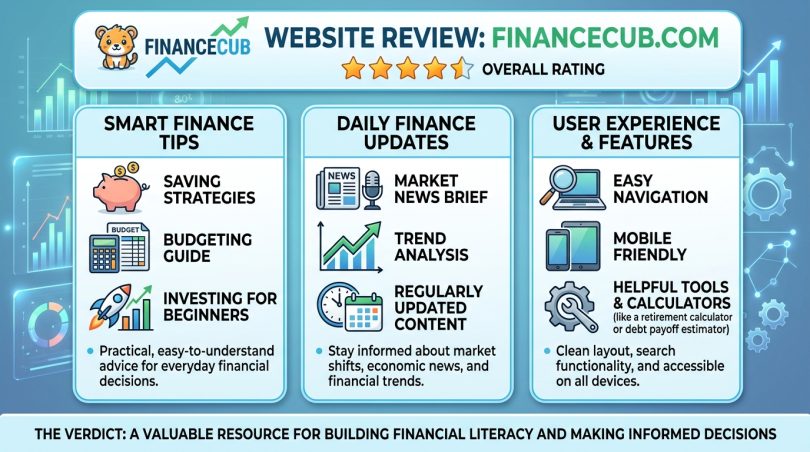

Personal finance is the foundation of financial freedom, and learning how to manage money effectively can change your entire lifestyle. Whether you are a student, salaried employee, or freelancer, understanding how to control your income, expenses, savings, and investments is essential. These personal finance tips are designed to help you build discipline, reduce financial stress, and grow your wealth over time. Taking control of money is not about earning more only; it is about managing what you already have in a smart way. With the right habits, even a small income can lead to strong financial stability in the long run.
Building Strong Financial Habits
Always track your income and expenses regularly and create a monthly budget that you follow consistently. Spending less than you earn is one of the most important financial principles. Avoid unnecessary impulse buying and focus on needs rather than wants before making any purchase. Set clear financial goals for both short-term and long-term success and avoid lifestyle inflation when your income increases. Using cash or debit cards instead of relying heavily on credit helps you stay in control of spending. Reviewing your financial progress every month ensures you stay on track and adjust where needed.
Saving and Emergency Planning
Building an emergency fund that covers at least three to six months of expenses is essential for financial security. Open a separate savings account so that your savings remain untouched for daily use. Automate your savings so a fixed portion of your income is saved every month without effort. Avoid touching savings unless there is a real emergency and always save for specific goals like education, travel, or major purchases. Cutting down on unnecessary subscriptions and comparing prices before buying can significantly increase savings. Buying quality products that last longer also reduces long-term expenses and helps maintain financial balance.
Managing Debt Smartly
Avoid high-interest debt as much as possible and always pay credit card bills on time to prevent penalties. Focus on clearing small debts first to reduce financial pressure and avoid taking loans for unnecessary expenses. Before borrowing, always understand the terms and repayment conditions clearly. Keeping your debt-to-income ratio low is important for maintaining financial health. Debt consolidation can be useful if it reduces interest burden and simplifies repayment. Borrowing should only be done when there is a clear and realistic repayment plan in place to avoid long-term financial stress.
Investing and Wealth Building
Start investing as early as possible because time plays a major role in wealth growth. Diversifying investments helps reduce risk and protect your money from market fluctuations. Before investing, it is important to learn basic financial and investment concepts to make informed decisions. Regular investing, even with small amounts, can lead to significant growth over time. Emotional investment decisions should be avoided as they often lead to losses. Long-term thinking is more effective than focusing on quick profits, especially in unstable markets.
Long-Term Financial Success
Improving financial knowledge continuously is key to making better money decisions in life. Setting retirement goals early helps you stay prepared for the future and reduce financial stress later. Having proper insurance coverage protects you and your family from unexpected financial risks. Building multiple income streams ensures stability and reduces dependency on a single source of income. Long-term success comes from consistency, discipline, and smart financial planning rather than short-term gains.
Conclusion
Personal finance is about building strong habits, managing money wisely, and planning for the future. These tips provide a complete guide for taking control of your finances step by step. From budgeting and saving to investing and debt management, each habit plays an important role in creating financial stability. By applying these principles consistently, anyone can improve their financial situation, reduce stress, and move toward long-term wealth and independence.