
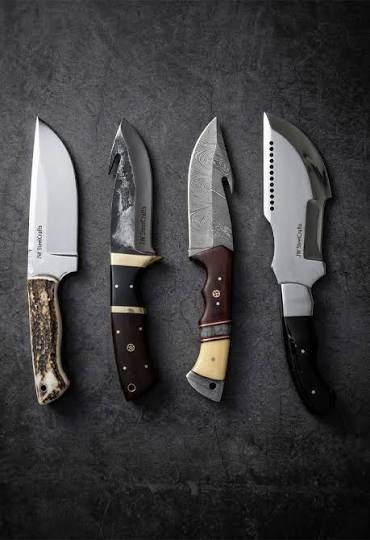

Choosing a fixed-blade knife involves considering more than its appearance. Blade length, handle design, weight, construction, and intended purpose all influence which style may be suitable for a buyer. Two popular categories worth comparing are large Bowie knives and compact fixed-blade knives.
Large Bowie knives are recognized for their substantial blade profiles and traditional appearance. Compact fixed-blade knives, on the other hand, generally prioritize smaller dimensions and easier handling. Both styles attract knife enthusiasts, collectors, and people interested in traditional outdoor equipment.
For buyers exploring different handmade knife designs, JW Steel Crafts offers a range of knife styles, including traditional Bowie-inspired designs. Understanding the differences between large and compact fixed-blade knives can help you compare available options and make a more informed purchase.
1. What Are Large Bowie Knives?
Large Bowie knives are fixed-blade designs traditionally associated with broad blades, prominent points, and distinctive profiles. Their historical connection to frontier-era knife designs has made them recognizable among collectors and knife enthusiasts.
Modern Bowie knives come in different sizes and configurations. Some emphasize traditional styling, while others incorporate contemporary materials, decorative finishes, and modern manufacturing techniques.
Common Characteristics of Large Bowie Knives
- Longer blade profiles: Many large Bowie designs have noticeably longer blades than compact fixed-blade models.
- Distinctive blade shapes: Traditional clip-point profiles are commonly associated with Bowie knives.
- Prominent handles: Larger handles can complement the proportions of the blade.
- Decorative details: Some designs feature polished finishes, brass fittings, or distinctive handle materials.
- Collector appeal: Traditional styling and recognizable proportions make Bowie knives interesting to collectors.
The exact dimensions and construction vary by model, so buyers should always review individual product specifications.
2. What Are Compact Fixed-Blade Knives?
Compact fixed-blade knives are designed with smaller overall dimensions than many traditional large Bowie knives. They have a blade permanently attached to the handle rather than a folding mechanism.
Their smaller proportions can make them easier to store and carry in appropriate circumstances, subject to the product’s design and local regulations.
Common Characteristics of Compact Fixed-Blade Knives
- Smaller dimensions: They generally have shorter blades and handles than large Bowie designs.
- Simple construction: They do not rely on a folding mechanism.
- Convenient storage: Their smaller size may make them easier to accommodate in suitable storage arrangements.
- Different blade profiles: Compact models are available in various shapes and styles.
- Practical design options: Some are designed around specific everyday or outdoor applications.
Compact does not necessarily mean lightweight or suitable for every task. Buyers should consider the actual dimensions, weight, materials, and manufacturer’s recommendations.
3. Large Bowie Knives vs. Compact Fixed-Blade Knives: Key Differences
Although both categories use fixed-blade construction, their dimensions, proportions, and design priorities can differ considerably.
A. Blade Length and Overall Size
The most obvious difference is size.
Large Bowie knives typically feature longer blades and more substantial overall proportions. Their appearance often emphasizes the traditional Bowie silhouette.
Compact fixed-blade knives generally have shorter blades and smaller handles. Their proportions are designed around a more compact format.
When comparing two models, check the blade length and overall length rather than relying only on product labels such as large, compact, or hunting.
B. Weight and Handling
A knife’s weight can influence how comfortable it feels to hold and handle.
Large Bowie knives may have more substantial blades and handles, which can affect their overall weight and balance. Compact models generally have smaller proportions, although actual weight depends on the materials and construction.
Consider the following before purchasing:
- Overall weight.
- Handle dimensions.
- Grip shape.
- Balance and construction.
- Intended storage and handling requirements.
A larger knife is not automatically more suitable, and a smaller model is not automatically more comfortable. Personal preferences and product design matter.
C. Blade Shape and Appearance
Large Bowie knives are often associated with traditional clip-point profiles and broad blade designs. Their proportions can create a distinctive appearance that appeals to collectors.
Compact fixed-blade knives offer a wider variety of shapes, including drop-point, clip-point, and other profiles.
The right design depends on what the buyer values most: traditional styling, smaller proportions, decorative details, or a particular blade shape.
D. Portability and Storage
Compact fixed-blade knives generally require less storage space than large Bowie knives. Their smaller dimensions may be easier to accommodate in an appropriate sheath or storage case.
Large Bowie knives require storage arrangements that accommodate their longer blades. Buyers should also consider the included sheath, protective materials, and safe storage requirements.
Before purchasing either style, check the product’s actual dimensions and make sure you have a suitable storage solution.
E. Design and Collector Appeal
Large Bowie knives can appeal to collectors who appreciate traditional knife history and distinctive proportions.
Compact fixed-blade knives may appeal to buyers who prefer smaller designs, specialized collections, or less space-consuming display pieces.
Neither category is inherently more collectible. Rarity, maker reputation, material quality, condition, documentation, and buyer demand can all influence collector interest.
4. Why Large Bowie Knives Remain Popular Among Collectors
Large Bowie knives have a recognizable place in knife history. Their association with American frontier traditions and classic popular culture has helped maintain interest in their designs.
Collectors may appreciate several features:
Traditional Bowie Profiles
The recognizable blade shape distinguishes Bowie knives from many other fixed-blade categories. Traditional and modern interpretations provide different visual styles for collectors.
Distinctive Handle Designs
Some Bowie knives feature leather, wood, resin, or other handle materials. Decorative guards and pommels can also influence the overall appearance.
Different Blade Finishes
Collectors can compare polished, satin, darkened, and patterned finishes. Each creates a different visual effect and may require different care.
Historical and Cultural Interest
Bowie knives have a long-standing connection with historical knife-making traditions. Modern designs inspired by classic examples allow collectors to explore how the traditional silhouette has evolved.
5. Exploring a Large Crocodile Dundee Bowie Knife from JW Steel Crafts
One example of a large Bowie-inspired design is the Crocodile Dundee Bowie Knife with a mirror polished carbon steel blade from JW Steel Crafts.
This model has several distinctive features that make it useful when comparing large Bowie knives with compact fixed-blade designs.
Product Design and Construction
According to its product specifications, the knife features:
- Overall length: 17 inches.
- Blade length: 12 inches.
- Handle length: 5 inches.
- Blade material: Hand-forged carbon steel.
- Blade finish: Mirror polished.
- Blade profile: Clip point.
- Handle material: Stacked leather.
- Guard and pommel: Solid brass.
- Construction: Full tang.
- Sheath: Genuine leather sheath included.
Its long blade and stacked leather handle give it the substantial proportions associated with large Bowie knife designs.
What Makes Its Appearance Distinctive?
The mirror-polished blade creates a bright, reflective surface, while the stacked leather handle provides a traditional visual contrast. The brass guard and pommel add another decorative element.
The clip-point profile also gives the knife its recognizable Bowie-inspired outline.
For collectors interested in classic large Bowie designs, this model provides a specific example to examine when comparing blade length, handle materials, and finishing details.
Buyers should review the complete product description and confirm that its dimensions and materials match their expectations before ordering.
6. Carbon Steel vs. Other Blade Materials
Blade material is another important consideration when comparing large Bowie knives with compact fixed-blade knives.
Carbon steel is commonly used in traditional knife designs. It is valued for its sharpening characteristics and can develop a patina over time. However, it requires appropriate care to reduce corrosion.
Other knife steels may offer different combinations of corrosion resistance, toughness, edge retention, and maintenance requirements.
What Buyers Should Consider
Carbon steel: Often appreciated by traditional knife enthusiasts, but it needs consistent cleaning and drying.
Stainless steel: Generally offers greater corrosion resistance, although its performance depends on the particular steel grade and heat treatment.
Damascus steel: Often selected for its distinctive patterns. Buyers should verify the actual construction and material specifications rather than judging authenticity by appearance alone.
No blade material is ideal for every buyer. Consider maintenance requirements and the manufacturer’s information before choosing.
7. How to Choose Between a Large Bowie Knife and a Compact Fixed-Blade Knife
The best choice depends on the buyer’s preferences, intended purpose, storage options, and budget.
Choose a Large Bowie Design If You Prefer:
- Traditional Bowie knife proportions.
- Prominent blade profiles.
- Classic decorative details.
- Larger fixed-blade designs for collecting.
- Substantial display pieces.
Consider a Compact Fixed-Blade Design If You Prefer:
- Smaller overall dimensions.
- Less demanding storage requirements.
- A more compact design.
- Smaller fixed-blade collections.
- A knife that better matches your personal size preferences.
These are general design considerations, not guarantees about performance. Always follow the manufacturer’s intended-use guidance.
8. Important Features to Check Before Buying a Fixed-Blade Knife
Whether you choose a large Bowie knife or a compact fixed-blade model, careful product evaluation is essential.
Blade Dimensions
Check the blade length, width, thickness, and overall knife length. These measurements help you understand the actual size of the product.
Handle Construction
Look at the handle material, shape, finishing, and attachment to the blade. A well-presented product description should clearly identify these details.
Full-Tang or Other Construction
Some fixed-blade knives feature full-tang construction, where the blade steel extends through the handle. Other designs may use different construction methods.
Understand the manufacturer’s stated construction instead of assuming all fixed-blade knives are made the same way.
Sheath and Storage
Check whether a sheath is included, what material it uses, and whether it is designed for the particular model.
Manufacturer Reputation
Review product descriptions, customer feedback, warranty terms, and available support information.
Local Regulations
Knife laws vary by location. Check applicable requirements for ownership, transportation, importation, and carrying before buying or gifting a fixed-blade knife.
9. Maintenance Differences Between Large and Compact Fixed-Blade Knives
Both large and compact fixed-blade knives require appropriate care. Their maintenance routines depend more on blade material, finish, handle construction, and storage conditions than on size alone.
Cleaning and Drying
Clean the blade according to the manufacturer’s instructions. Dry it thoroughly after exposure to moisture, especially if it is made from carbon steel.
Protecting the Blade Finish
Polished surfaces can show fingerprints and marks. Use a suitable soft cloth and avoid abrasive cleaning materials that could damage the finish.
Handle Care
Different handle materials require different cleaning methods. Follow the manufacturer’s recommendations for leather, wood, synthetic materials, or other finishes.
Proper Storage
Store the knife in a dry, secure location. Use appropriate protective storage and keep it inaccessible to children and unauthorized users.
Regular Inspection
Check periodically for corrosion, damage, loose components, or sheath deterioration. Seek professional assistance if a knife needs repair.
10. Why Explore Fixed-Blade Designs at JW Steel Crafts?
Choosing between a large Bowie knife and a compact fixed-blade knife requires comparing more than appearance. Blade dimensions, materials, handle construction, finishing, and storage requirements all matter.
JW Steel Crafts gives buyers an opportunity to explore different handmade knife categories, including hunting knives and traditional Bowie-inspired designs.
The Crocodile Dundee Bowie Knife is one example of a large fixed-blade design with a mirror-polished carbon steel blade, stacked leather handle, brass fittings, and included leather sheath.
When browsing JW Steel Crafts, compare the individual product specifications and photographs carefully. This helps you identify a design that matches your preferences instead of choosing based only on its size or appearance.
11. Final Thoughts: Which Fixed-Blade Style Is Right for You?
Large Bowie knives and compact fixed-blade knives offer different design characteristics. Large Bowie models are recognized for their substantial proportions and traditional appearance, while compact fixed-blade knives generally emphasize smaller dimensions and easier storage.
The right choice depends on your personal preferences, collection goals, maintenance expectations, and intended use.
If you appreciate classic Bowie styling, a large design such as the Crocodile Dundee Bowie Knife from JW Steel Crafts may be worth exploring. If you prefer a smaller format, compare compact fixed-blade models and their actual specifications.
Take time to review materials, dimensions, construction, and storage requirements before making a purchase. A well-informed decision is more valuable than choosing a knife simply because it is larger or more visually impressive.
Frequently Asked Questions
1. What is the main difference between large Bowie knives and compact fixed-blade knives?
Large Bowie knives generally feature longer blades and more substantial proportions. Compact fixed-blade knives have smaller overall dimensions and may require less storage space.
2. Are large Bowie knives always heavier than compact fixed-blade knives?
Not necessarily. Large designs often have more substantial dimensions, but actual weight depends on blade thickness, handle materials, construction, and other design features.
3. What is a Crocodile Dundee Bowie knife?
The name is commonly associated with the oversized Bowie knife style popularized by the 1986 film Crocodile Dundee. Modern examples often feature large clip-point blades and traditional-inspired handles.
4. What are the advantages of carbon steel blades?
Carbon steel is appreciated for its traditional character and sharpening characteristics. However, it requires regular cleaning, drying, and appropriate protection against corrosion.
5. What does mirror-polished mean on a Bowie knife?
A mirror-polished finish is a highly reflective surface treatment. It gives the blade a bright appearance but may show fingerprints and surface marks more visibly than some other finishes.
6. What is full-tang construction?
Full-tang construction means the blade steel extends through the handle rather than ending near the blade’s base. Buyers should review the manufacturer’s specifications to confirm the construction of a particular model.
7. Are compact fixed-blade knives easier to store?
Their smaller dimensions can make them easier to accommodate in suitable storage arrangements. However, buyers should still use secure protective storage and follow applicable regulations.
8. How should a carbon steel Bowie knife be maintained?
Follow the manufacturer’s care instructions. Generally, clean and dry the blade promptly, use an appropriate protective coating if recommended, and store it in a dry environment.
9. What should I consider before buying a large Bowie knife?
Review its blade length, overall dimensions, weight, handle construction, blade material, sheath, maintenance requirements, and local legal restrictions.
10. Where can I explore handmade Bowie knife designs?
JW Steel Crafts offers Bowie-inspired and other fixed-blade designs. Review individual product descriptions and specifications to compare available options.
