
When a business publishes useful material, it still needs the right people to find it. Search visibility is one part of that challenge, and links from relevant websites can help readers discover a company’s expertise. One approach is to add a link to an existing article rather than publish a new guest post. Before considering this tactic, it helps to understand how it works, where it can go wrong, and how it fits into a broader marketing plan.
What a niche edit involves
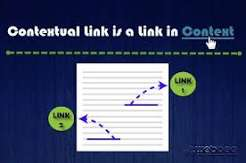
A niche edit, sometimes called a link insertion, places a link to a business’s page within content that is already published on another website. The link should make sense in context: for example, an article about choosing professional clothing might refer readers to a useful guide on sustainable fabric sourcing. The goal is to add a genuinely relevant resource, not simply to attach a link to any page that will accept one.
The approach differs from guest posting because the surrounding article already exists. That can make it quicker to arrange, but it also means the publisher’s editorial standards and the article’s existing purpose matter. A closer look at niche edits can help clarify the terminology and common considerations before a business evaluates a placement.
Why businesses consider link insertions
A relevant link can give readers a useful next step and introduce them to a business they might not otherwise encounter. It may also contribute to a site’s broader search optimisation efforts. But a link is not a shortcut to lasting visibility. Search performance depends on many factors, including the quality of a page, its usefulness to visitors, the site’s technical health, and the strength of its subject coverage.
For a small company, the most promising opportunities are usually those that reach a defined audience. An education provider might look for an established publication covering career development or learning tools. A fashion label may find a better fit in a publication focused on textiles, retail, or personal style than on a general site with no connection to its products. Audience alignment is more meaningful than a website’s headline traffic figure alone.
How to assess a placement
Review the page and publication before agreeing to anything. Ask whether the article is maintained, whether it attracts readers interested in the subject, and whether the proposed link would add value for them. Read the surrounding paragraphs, not just the page title. A link that feels awkward or unrelated can weaken the article and make the business look less credible.
- Check topical fit: The page should cover a subject that naturally connects to the linked resource.
- Examine editorial quality: Look for clear writing, useful information, and evidence that the publication serves real readers.
- Review the destination: The linked page should answer a question or offer information promised by the surrounding text.
- Clarify the arrangement: Establish who approves the wording, whether the link will remain in place, and what happens if the article changes.
Be cautious of promises of guaranteed rankings or large quantities of placements in a short period. A seller’s metrics do not replace an editorial review, and a high number of links is not a substitute for relevance. Businesses should also understand applicable search engine guidance and avoid arrangements that disguise paid links as independent editorial recommendations. Transparency and a reader-first rationale protect the publication’s reputation as well as the brand’s.
Make the content worth linking to
Link building works best when the destination offers something substantial. That might be original research, a practical checklist, a detailed explanation of a complicated process, or a well-maintained resource page. A thin sales page gives readers little reason to follow a link and gives an editor little reason to include one. Strengthening the destination first can make outreach more credible and improve the experience for visitors who arrive from another site.
It also helps to plan the anchor text carefully. The words should describe what readers will find, while fitting naturally into the sentence. Repeating the same exact-match phrase across many placements can look artificial. Varied, descriptive wording is usually clearer for people and more consistent with an editorial approach.
Build the process around quality
Finding suitable publications, assessing their content, and coordinating outreach takes time. A business may handle the work internally or bring in specialists for research, writing, or marketing support. Freelance marketplaces can make it easier to compare people with different skills; for instance, Osdire lets buyers hire freelancers across categories that include writing, design, and marketing, with payment held during an order and released after the delivered work is approved.
Whatever the workflow, keep a record of each placement, its purpose, the destination page, and any agreed terms. Monitor referral visits and engagement, but judge success in context rather than expecting every link to produce an immediate sales increase. Niche edits can be one useful part of a broader visibility strategy when they connect the right readers with genuinely useful material. The strongest test is simple: would the link still belong in the article if search engines did not exist?